About Nikolina Kuharić

This author has not yet filled in any details.
So far Nikolina Kuharić has created 339 blog entries.

Bats do not spread COVID-19

By |2022-08-25T14:56:55+01:00August 25th, 2022|News|

Bats do not spread COVID-19 In several regions of the world various communities and governmental authorities have been culling bats in a misplaced effort to combat the disease COVID-19. We are sharing here notification of the Secretariats of the Convention on the Conservation of Migratory Species of Wild Animals (CMS), the Agreement on the Conservation

Lecture “Cave spiders of the Dinarides”

By |2022-08-25T14:49:27+01:00August 25th, 2022|News|

Lecture "Cave spiders of the Dinarides - DNA, biogeography and ecological modeling in the light of climate change" Lecturer: Martina Pavlek Spiders are one of the most numerous groups of invertebrates in the caves of the Dinarides, and as apex predators, they play an irreplaceable role in maintaining the stability of the cave ecosystem. Although

Lecture Bat research in Nietoperek and Lokrum

By |2022-08-25T14:08:30+01:00August 25th, 2022|News|

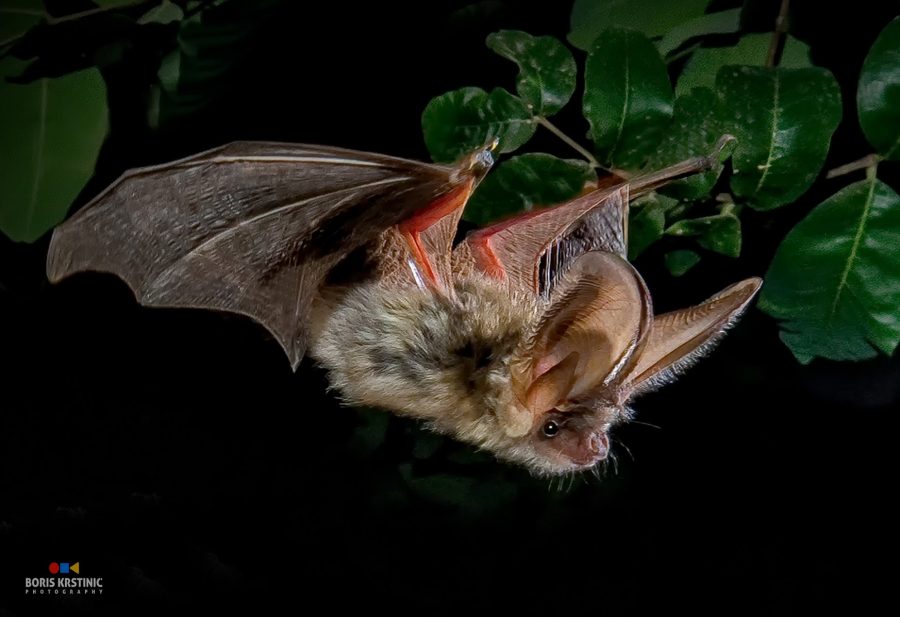
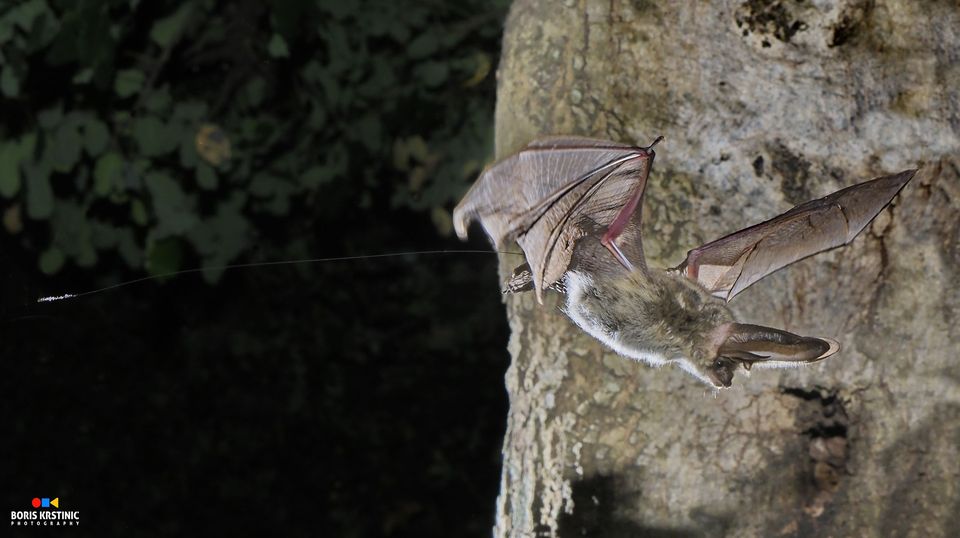
Lecture "Bat research in Nietoperek (Poland) and the Lokrum island" Lecturers: Daniela Hamidović and Boris Krstinić Two research will be presented: the census of bats in Nietoperek (Poland, 2019) and the film "Telemetry of bats on the Lokrum island" (2017). "Nietoperek" is the 8th largest bat hibernation location in Europe according to EUROBATS. The large

Lecture “Troglophilic cave crickets in Croatia”

By |2022-08-30T14:57:17+01:00August 25th, 2022|News|

Lecture "Troglophilic cave crickets in Croatia: problems of taxonomy, distribution and ecology" Lecturer: Nikola Tvrtković, PhD In addition to an overview of troglophilic crickets of the Rhaphidophoridae family (crickets of the genus Dolichopoda and four species of cave horses of the genus Troglophilus), you will find out about their phylogeny and phylogeography, ecology, and degree

Understanding species richness patterns of subterranean fauna

By |2022-08-30T14:57:23+01:00August 25th, 2022|News|

Understanding species richness patterns of subterranean fauna How large are the species ranges of subterranean fauna in Dinarides? How the sizes of these ranges are related to biodiversity hotspots? The article, based on subterranean beetles and amphipods is available at the link.

Lecture “Predation, Sex, and Cave Colonization by Gammarus minus”

By |2022-08-25T13:49:34+01:00August 25th, 2022|News|

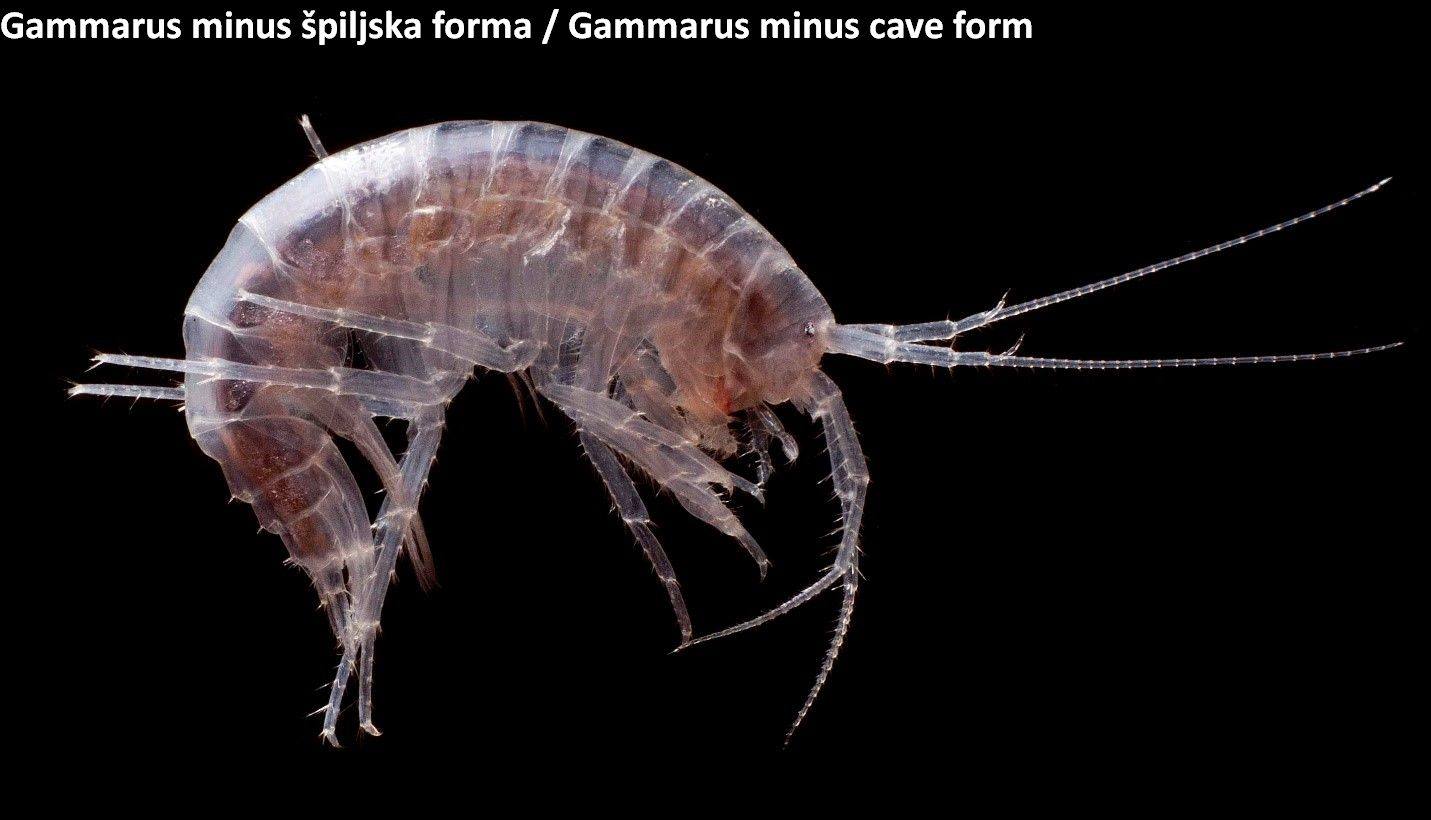
Lecture "Predation, Sex, and Cave Colonization by Gammarus minus" Sexually mature body sizes among groundwater resurgence or spring populations of the amphipod crustacean Gammarus minus are the result of a balance between size-selective predation by sculpin fishes (Cottus sp.) favoring small size and intra-sexual selection favoring large size. In springs with sculpins, small mature females

Go to Top